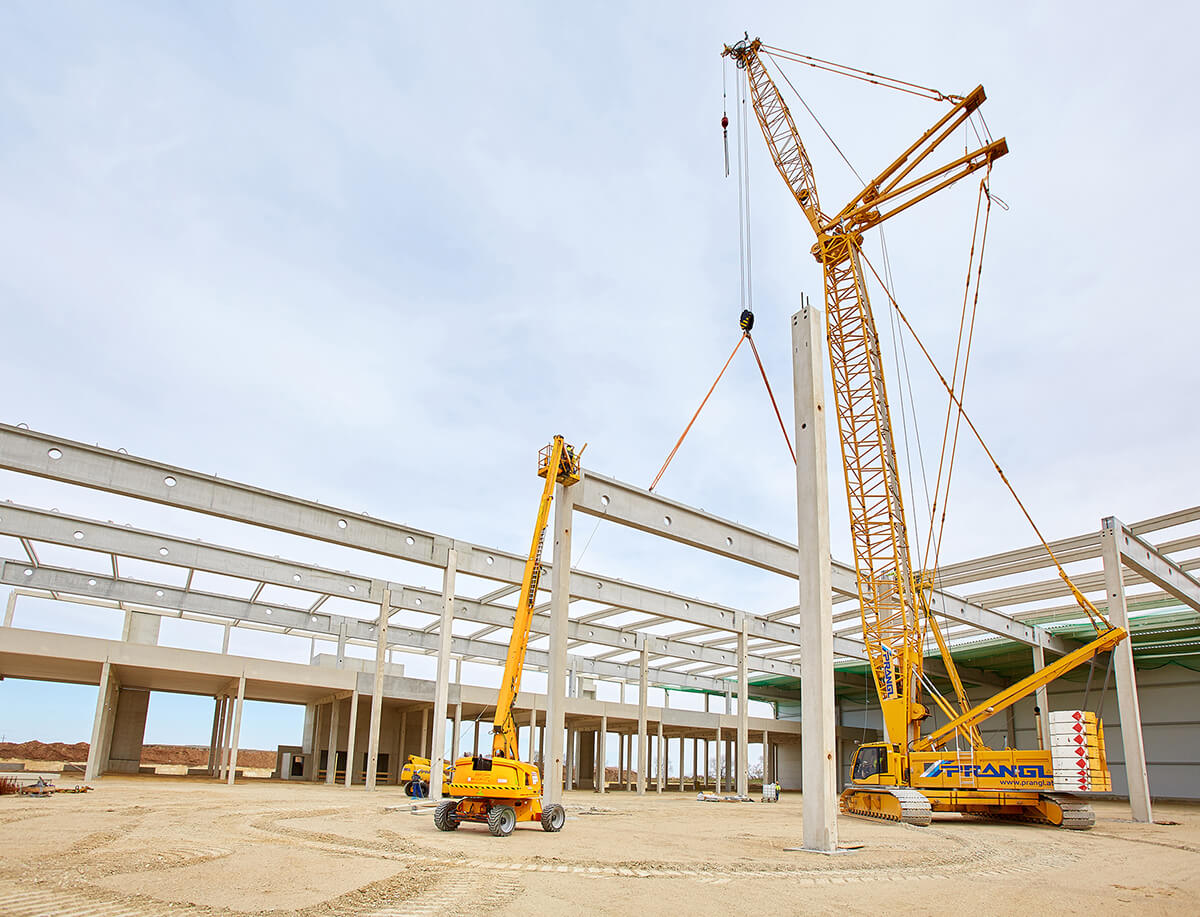
Ossarn Bridge
The challenge
Cantilever bridge over the Traisen
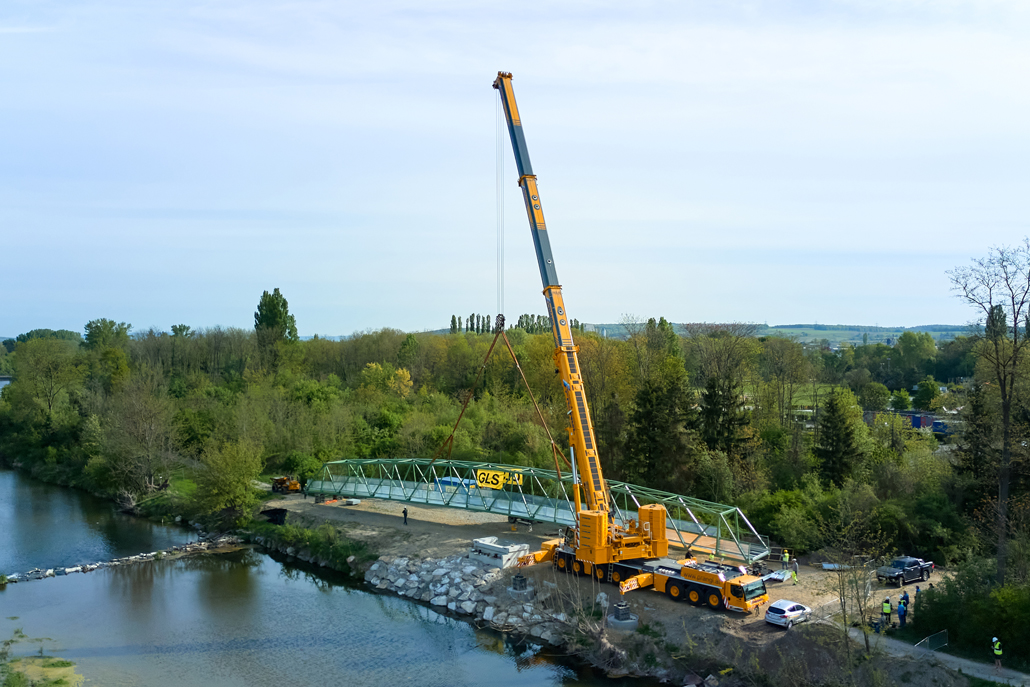
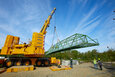
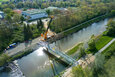
In the municipality of Herzogenburg, a bridge for pedestrians and cyclists over the Traisen had become outdated. A decision was taken to dismantle the structure, which had been built in 1885, and replace it with a new construction. For the very final step towards completion – assembly and lifting into place – the client turned to Prangl.
Our solution
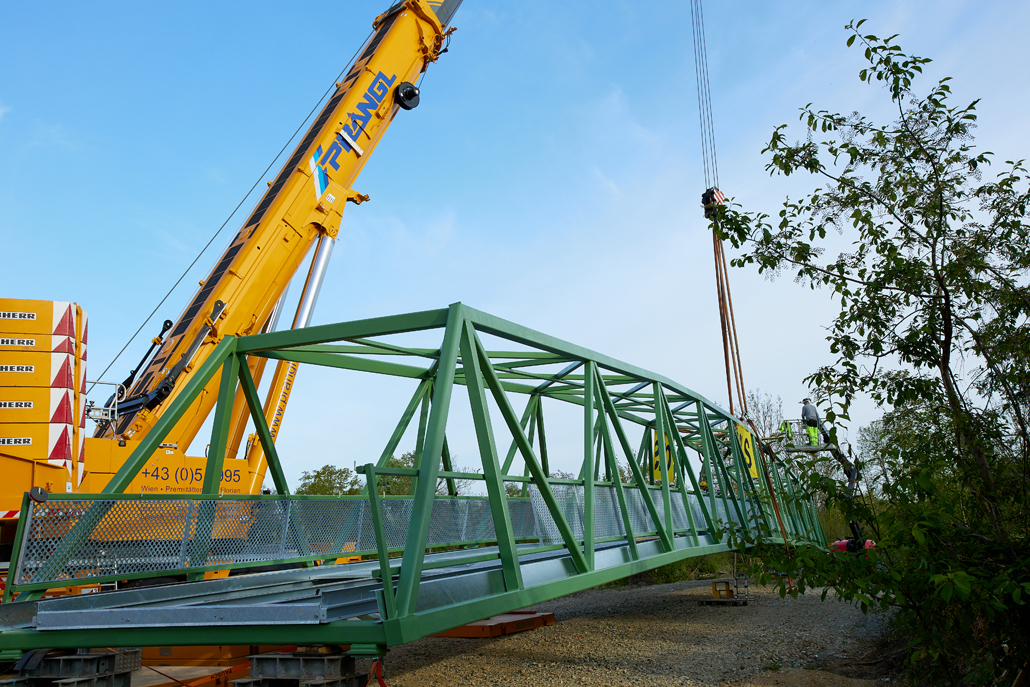
Assembly and lift
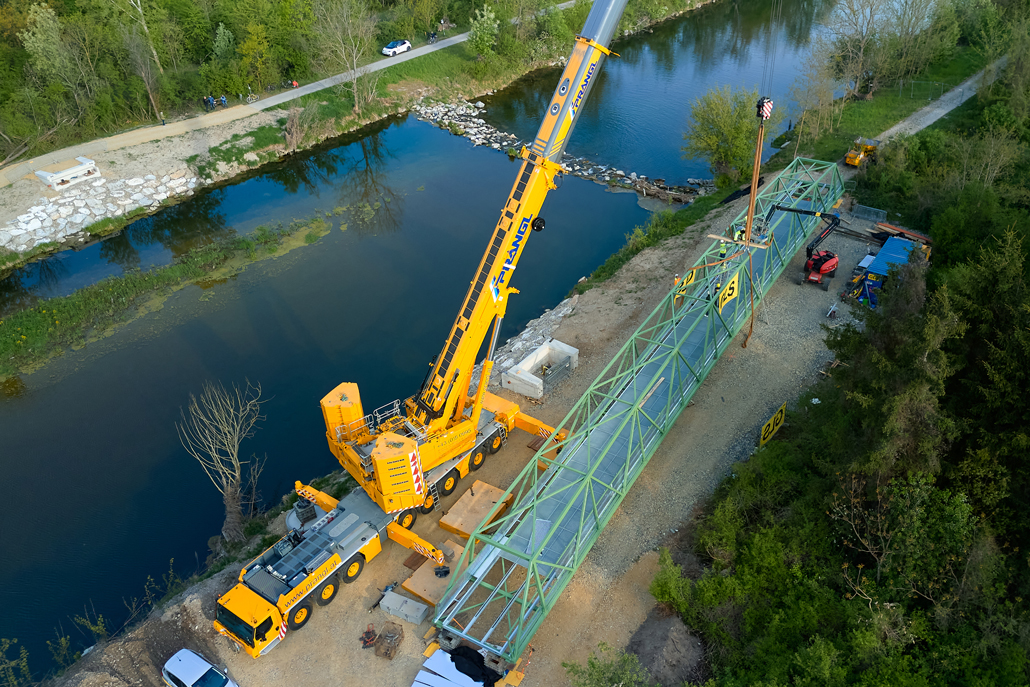
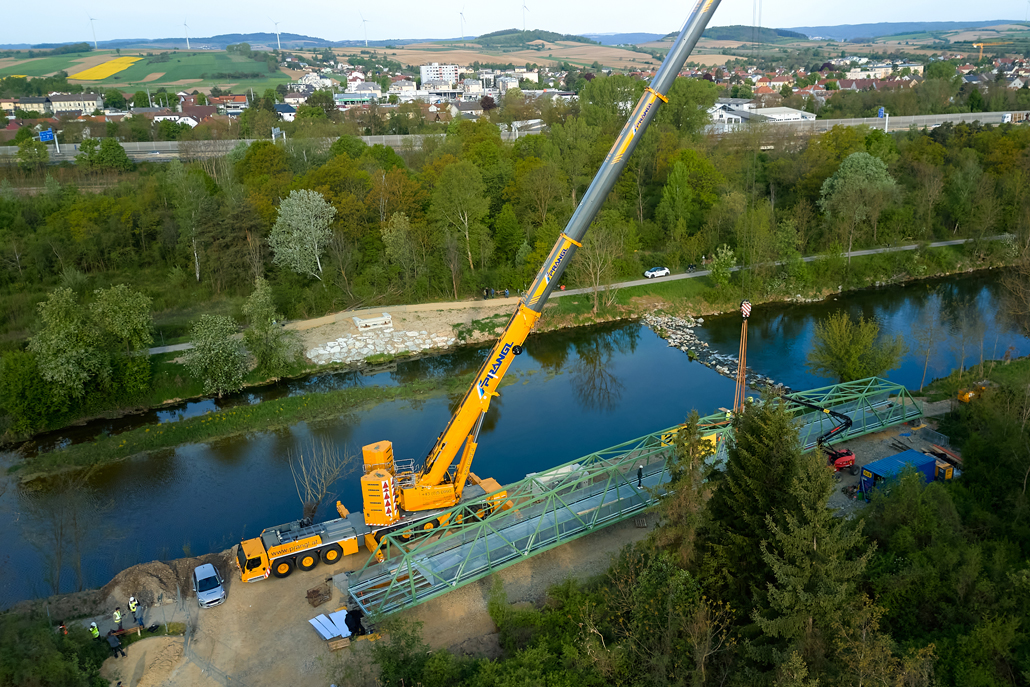
The bridge over the Traisen has always been an important link between the districts. As traffic increased, the bridge became a safe alternative to the heavily used roads and at the same time a welcome short cut. As refurbishment did not prove efficient, the municipality commissioned a new bridge. Unlike its predecessor, the new design chosen was a cantilever structure requiring no supports in the river. The Prangl team in charge was tasked with enabling the assembly and then lifting the completed structure into place.
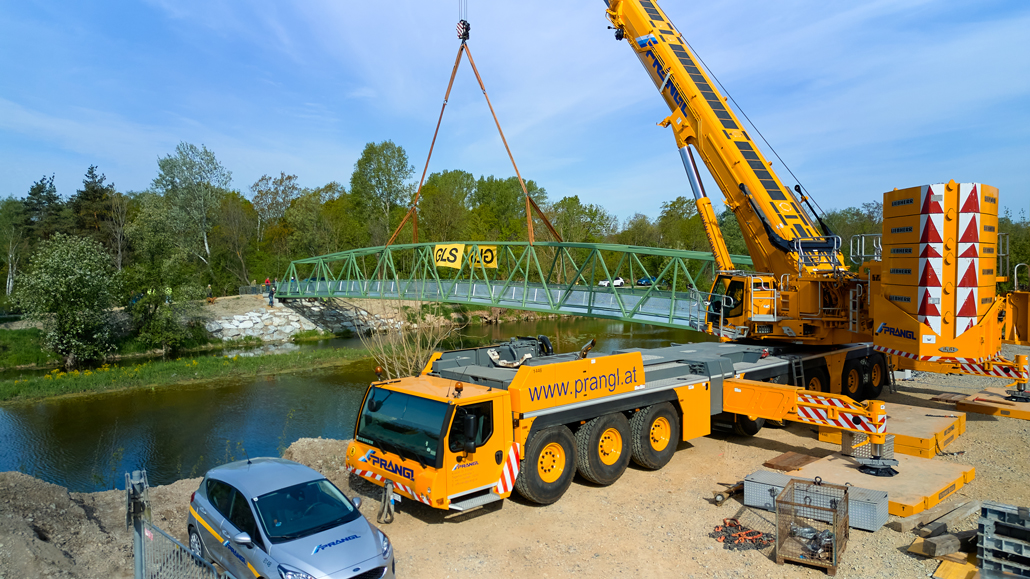
Preparation of the crane set-up areas
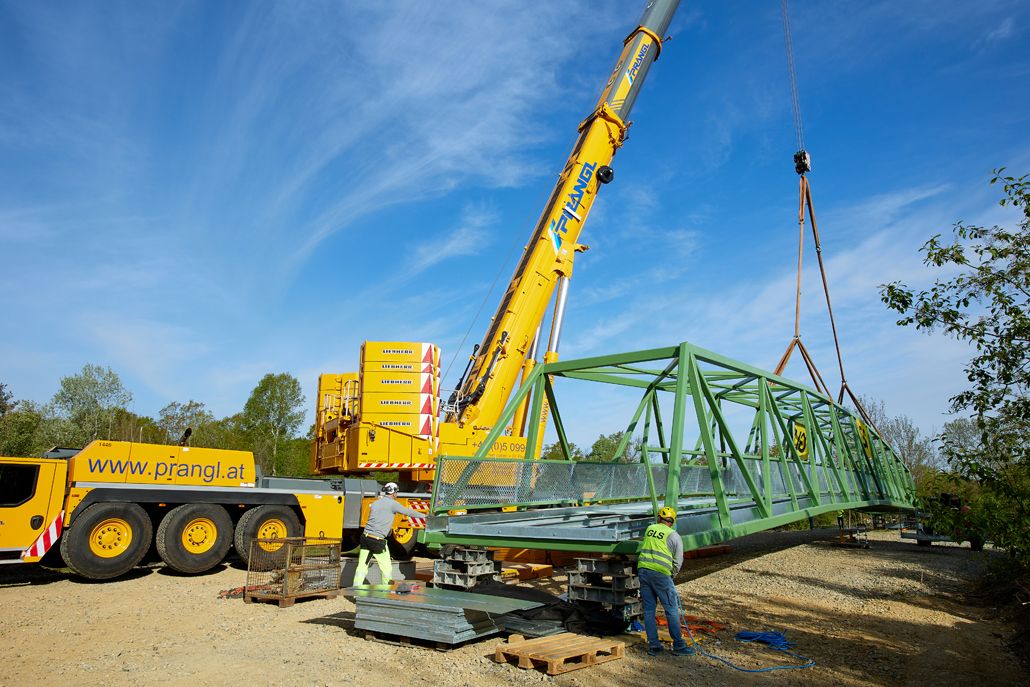
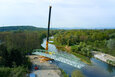
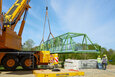
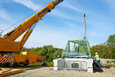
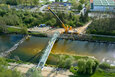
The new bridge was to be delivered in several parts directly to the bank of the Traisen. To create space there for assembly and for the necessary equipment, the access route had to be widened and reinforced. Tree felling was also required. In addition, separate concrete foundations were constructed directly at the water’s edge in order to guarantee safe crane support. With these preparations completed, Prangl then began the “Ossarn Bridge” operation. The delivered bridge sections were unloaded using a loader crane (maximum load: 73 metre tonnes).
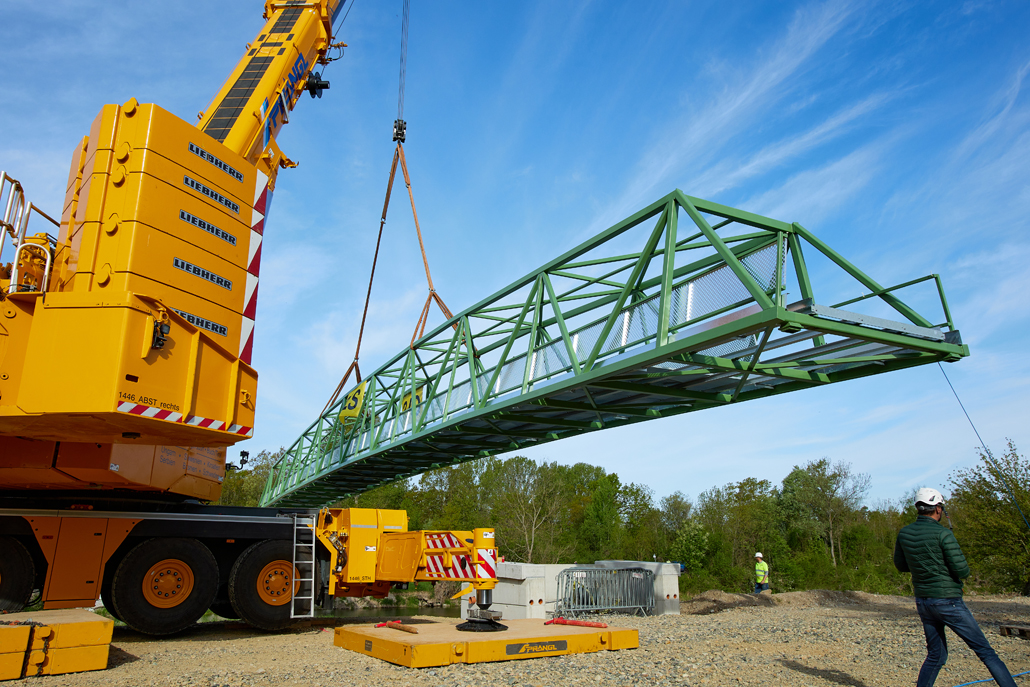
50 metres, 39 tonnes
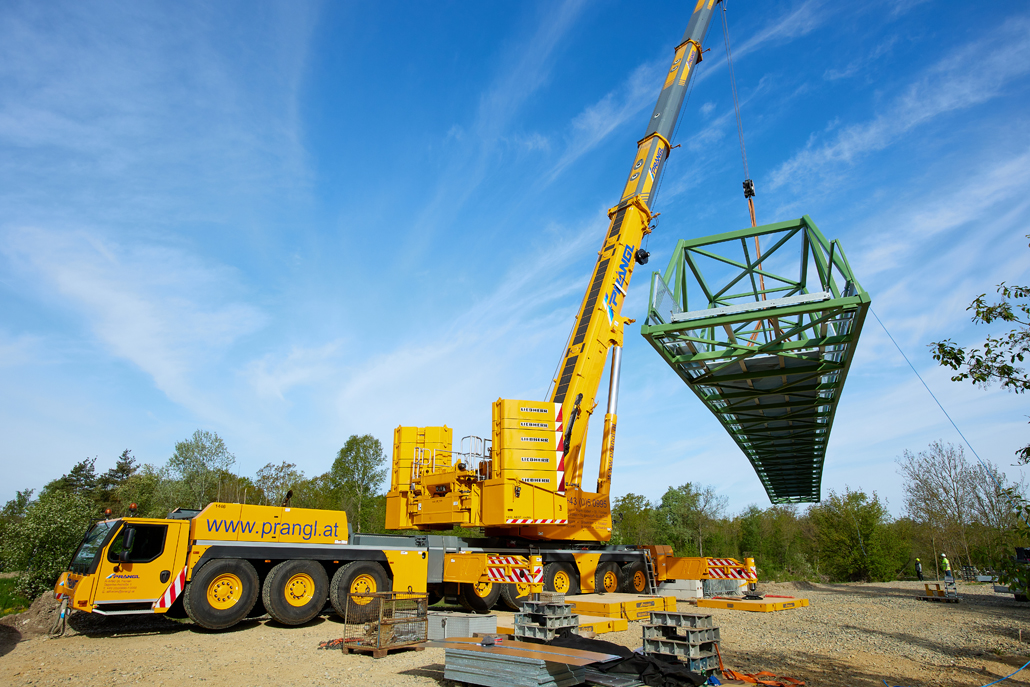
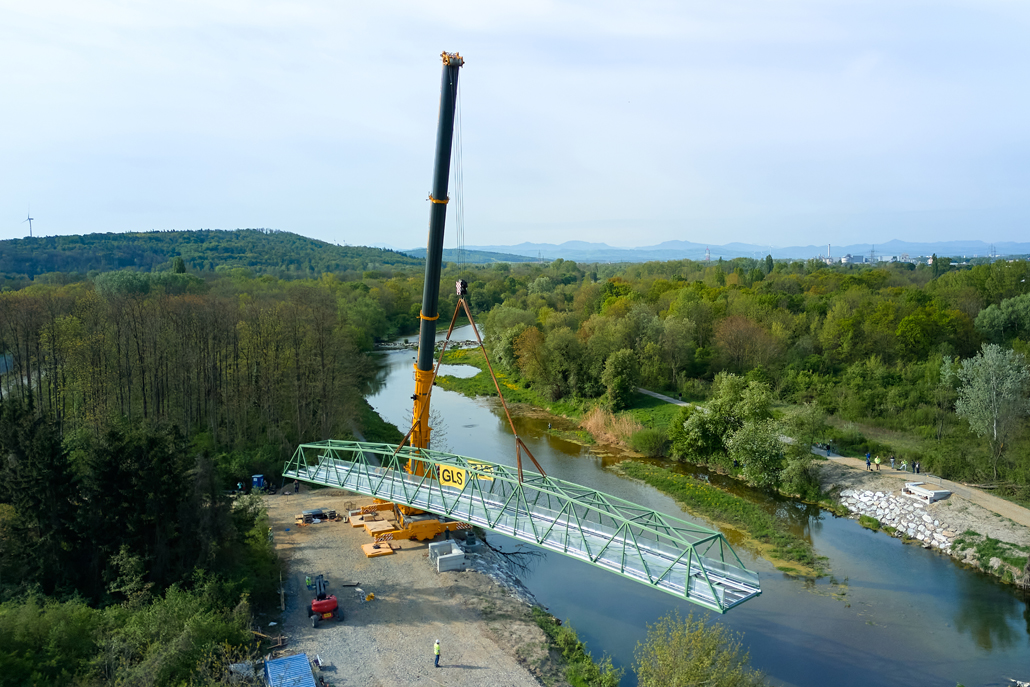
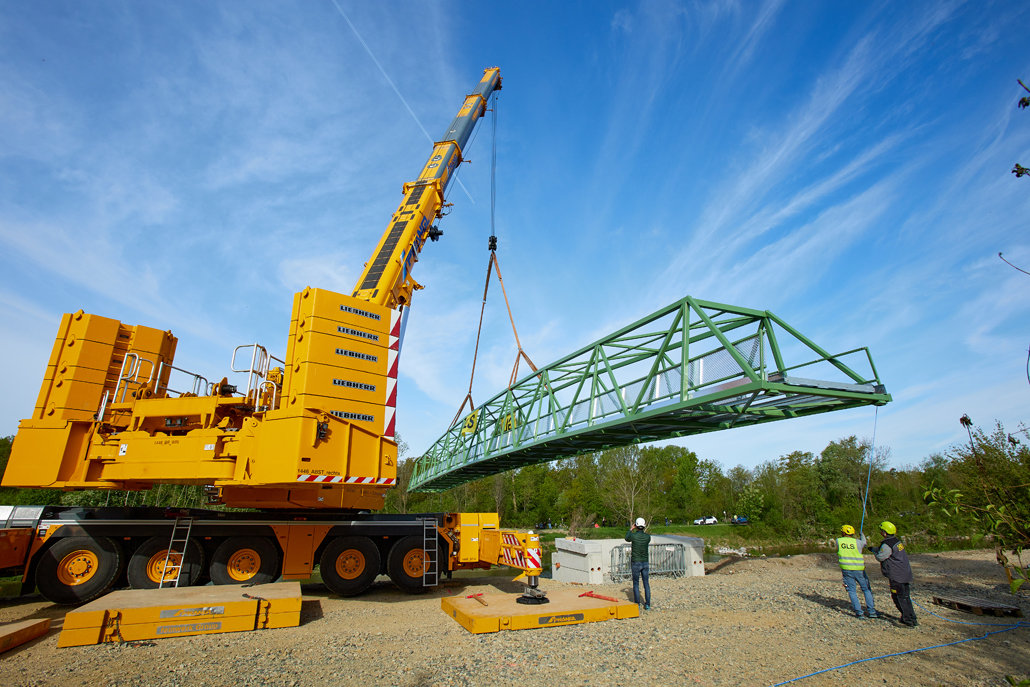
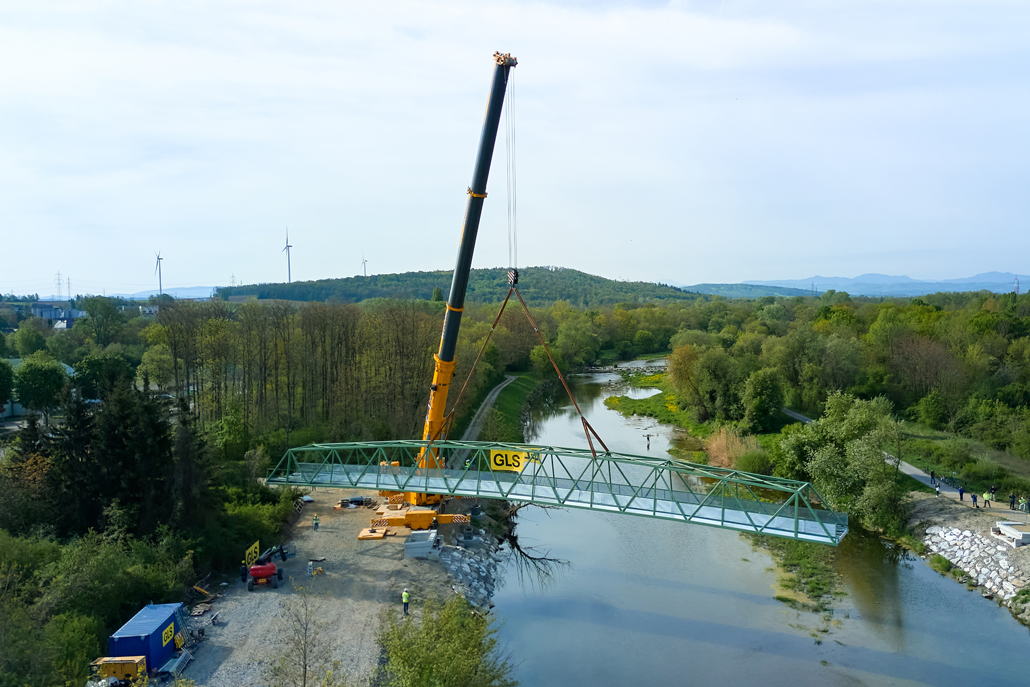
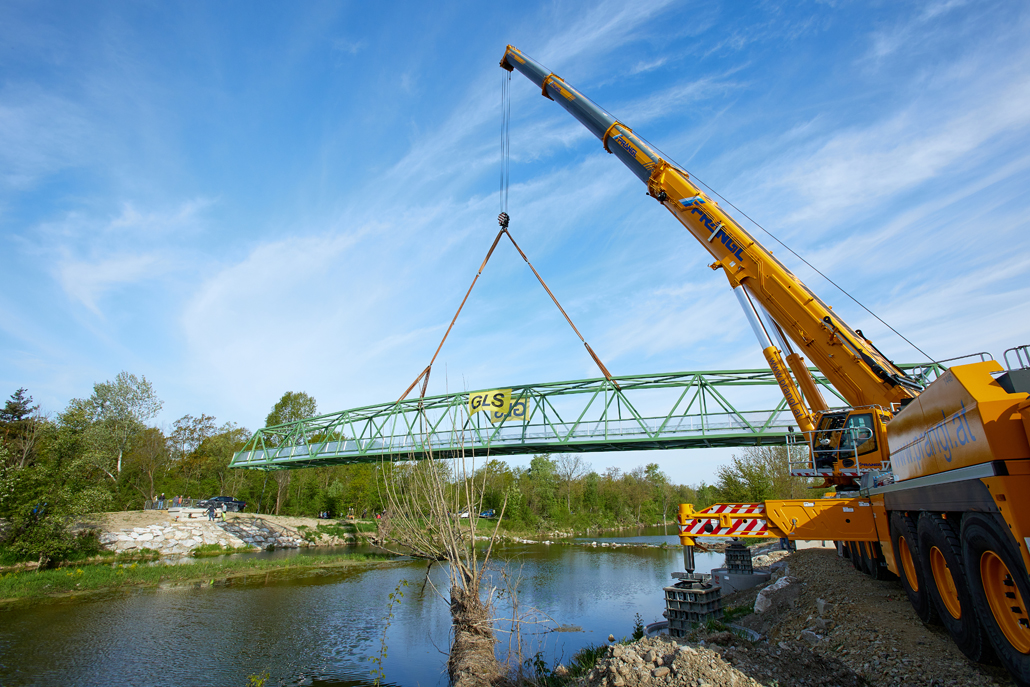
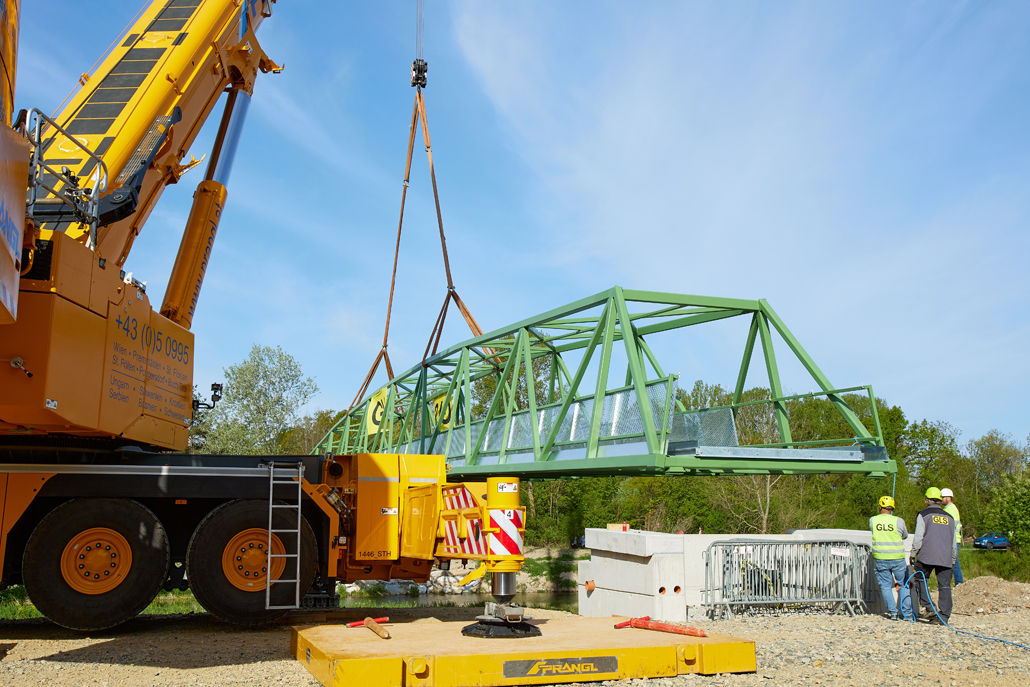
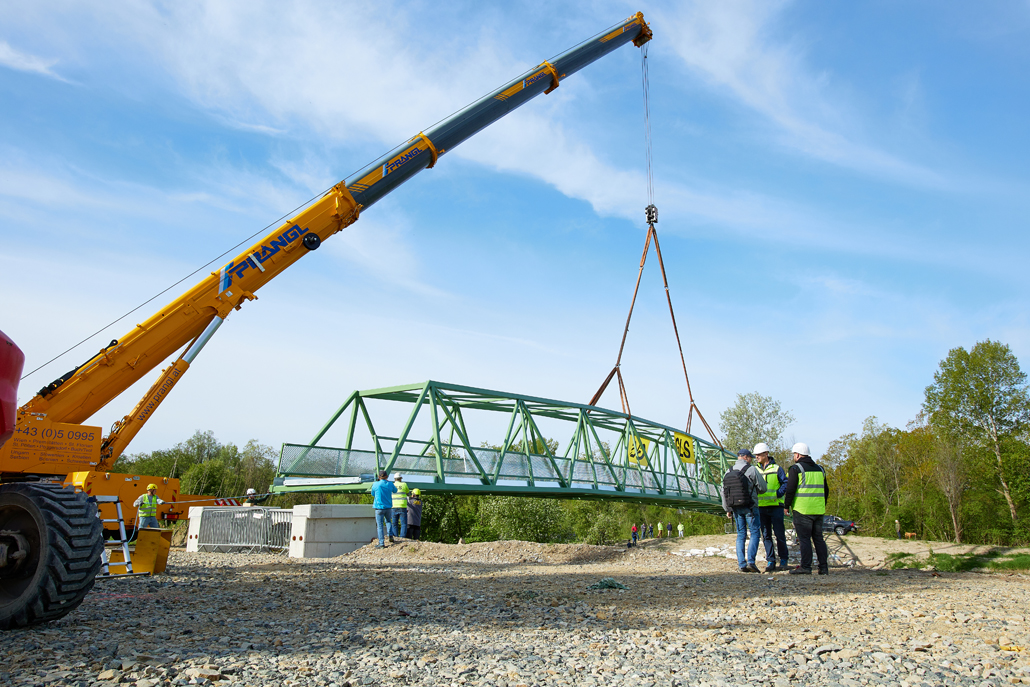
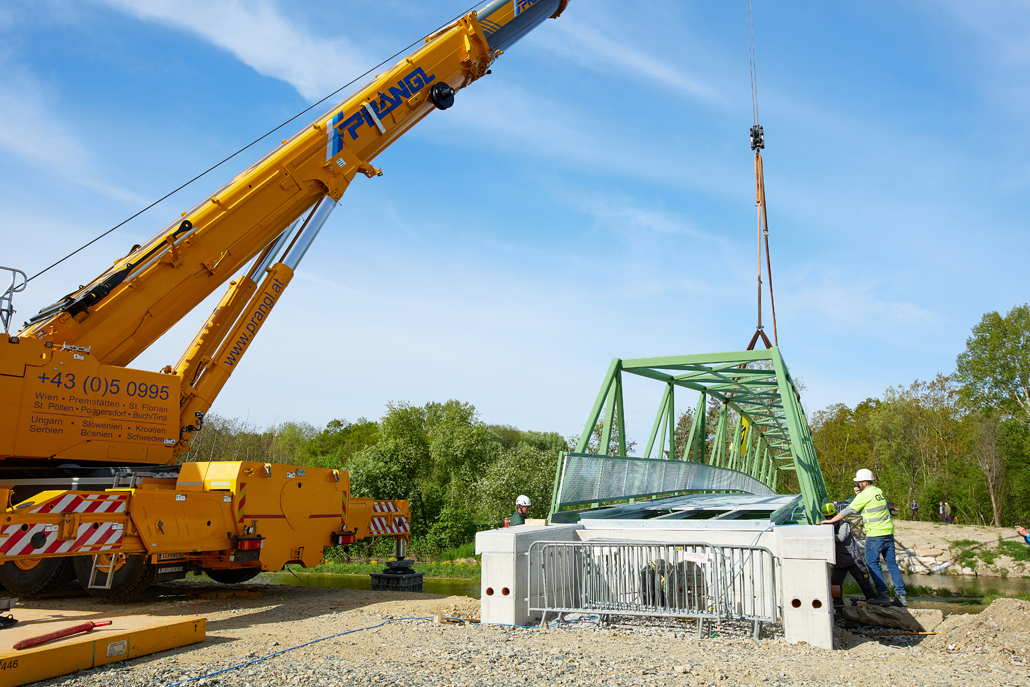
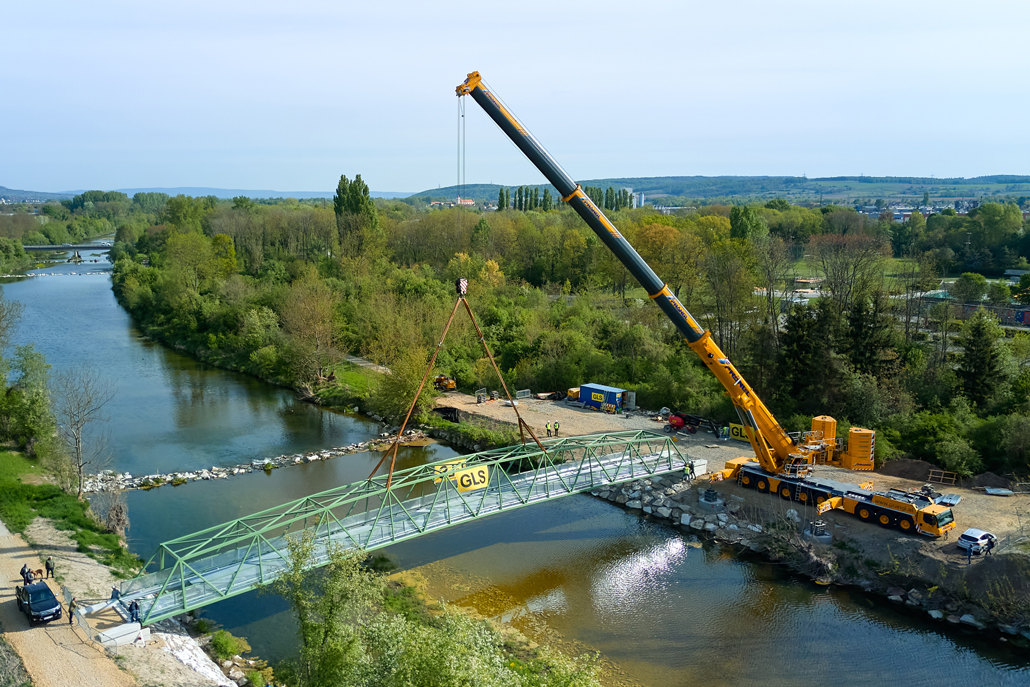
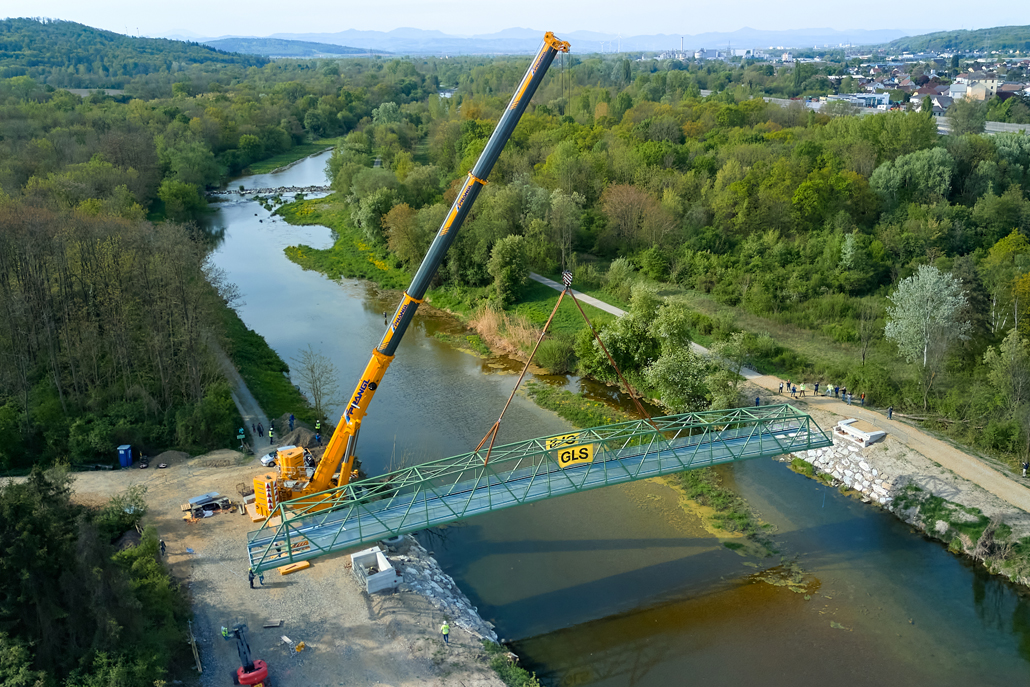
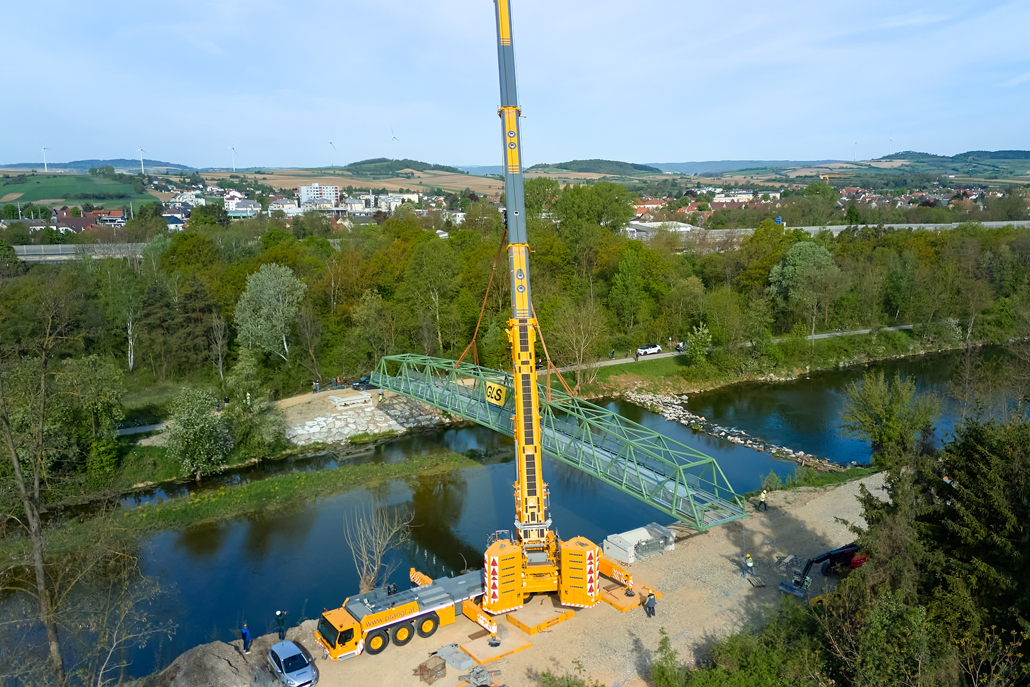
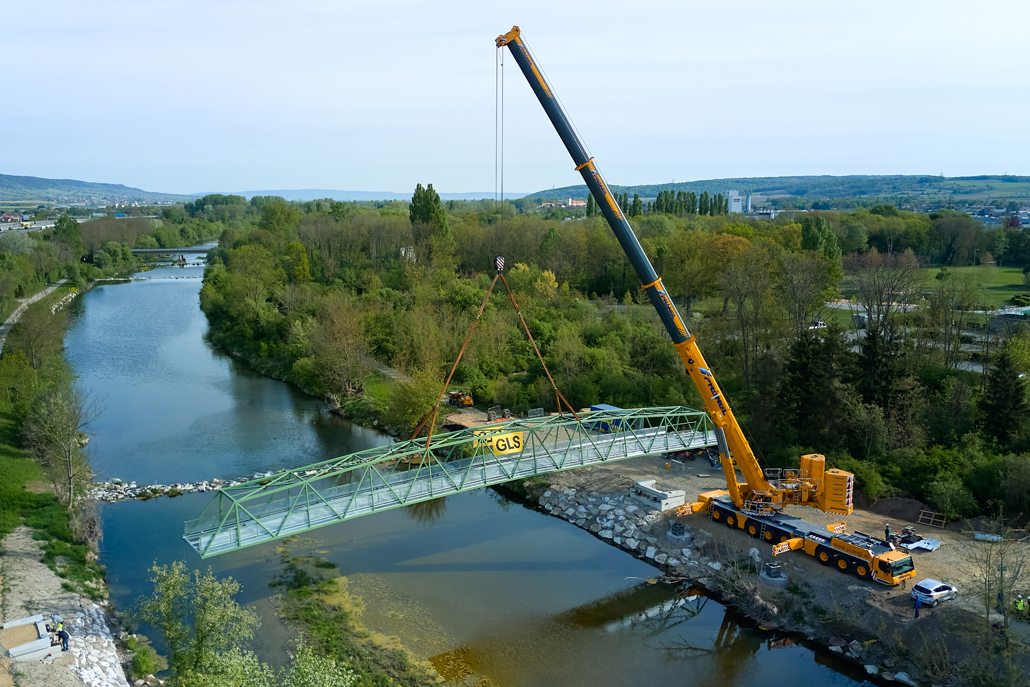
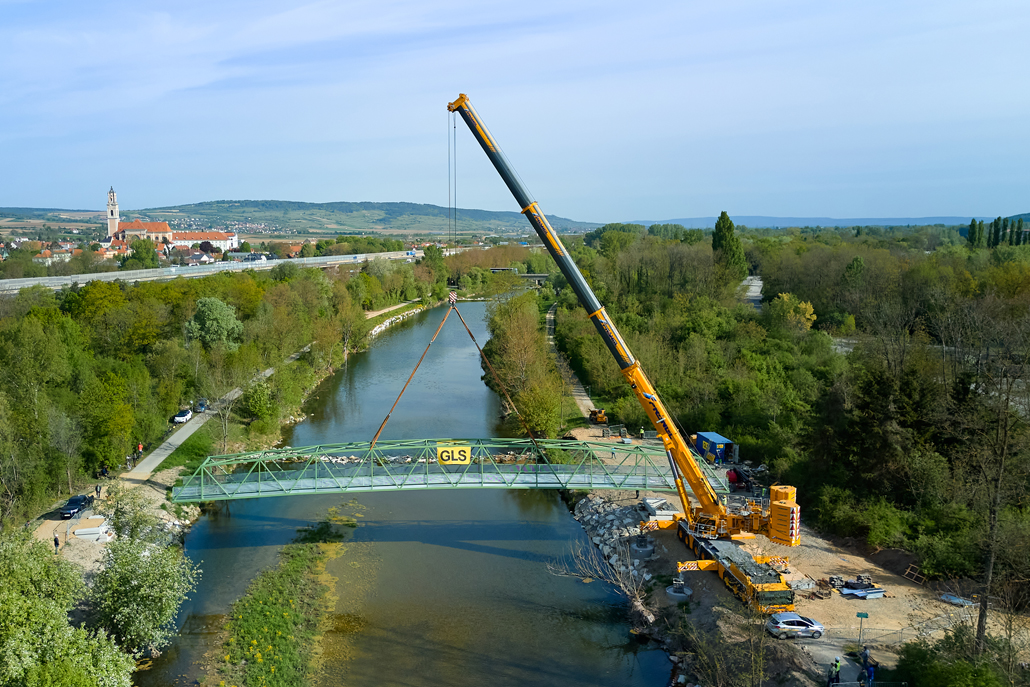
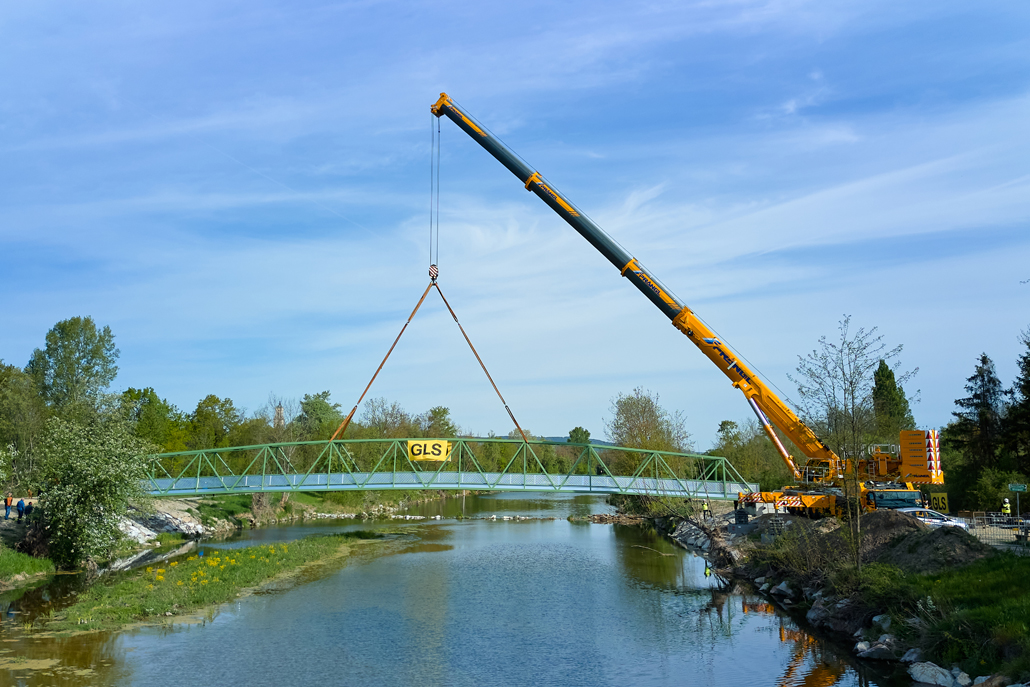
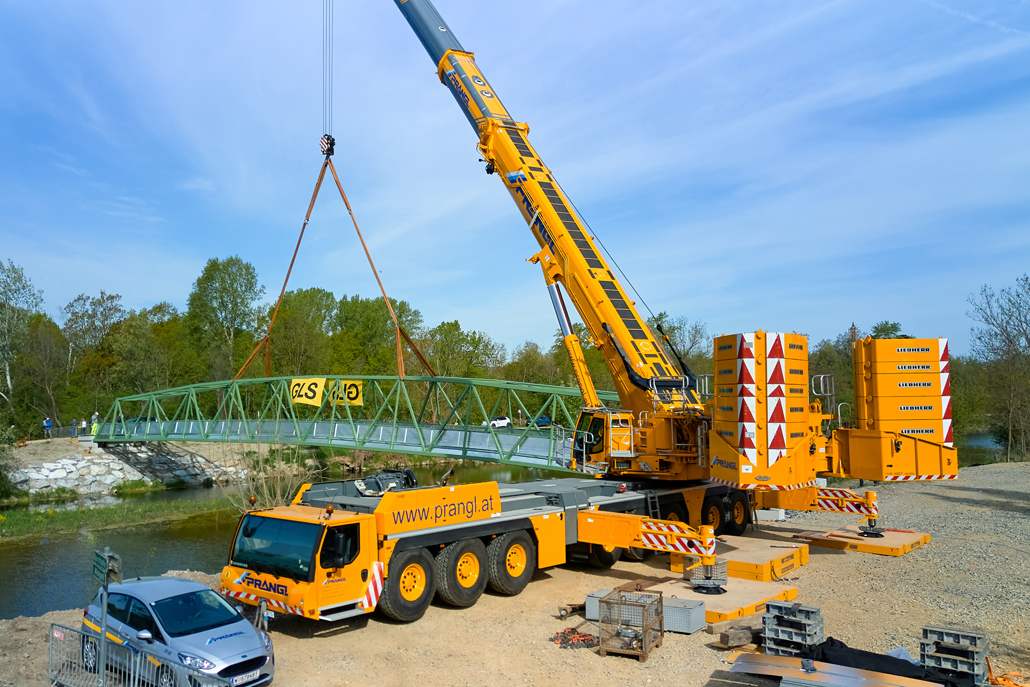
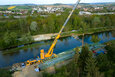
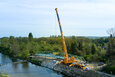
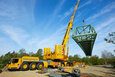
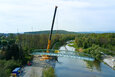
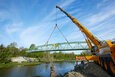
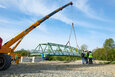
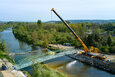
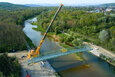
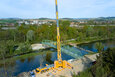
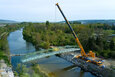
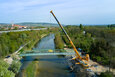
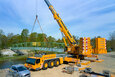
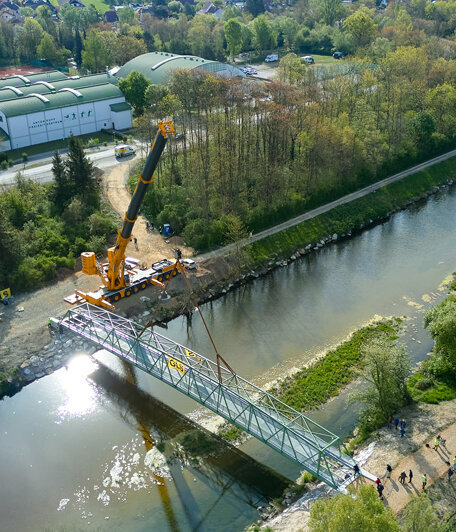
An 80-tonne telescopic crane was positioned for the assembly of the elements. With its help, and with that of a telehandler (maximum working height: 9.55 metres), the work was carried out without difficulty. At the end, the completed bridge, with a total length of 50 metres and a weight of 39 tonnes, awaited its big moment. This was made possible by a 700-tonne telescopic crane, the most powerful in the Prangl fleet. For this lift, which was eagerly awaited by many spectators, it was configured with a main boom and 135 tonnes of ballast.
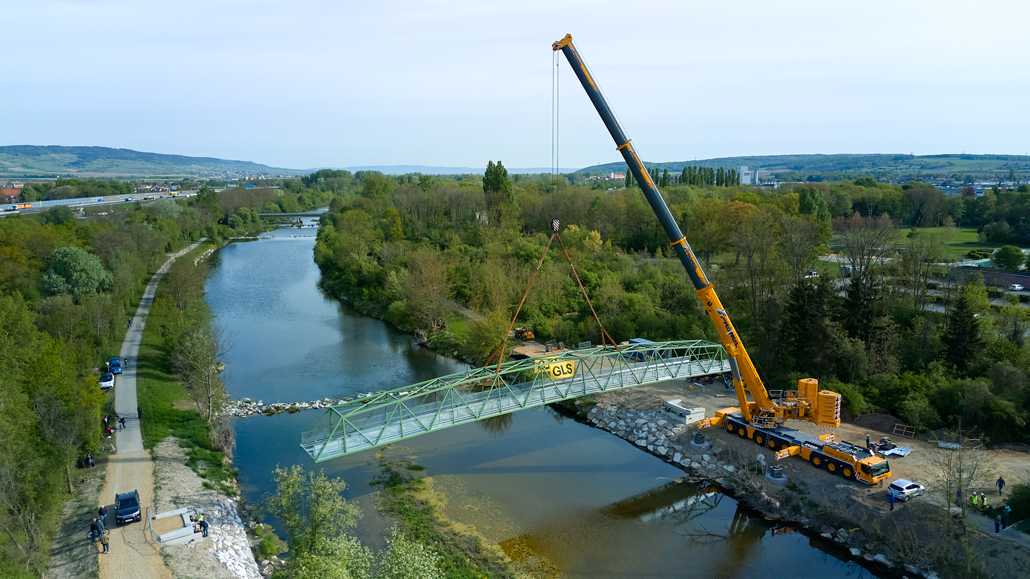
700-tonne telescopic crane
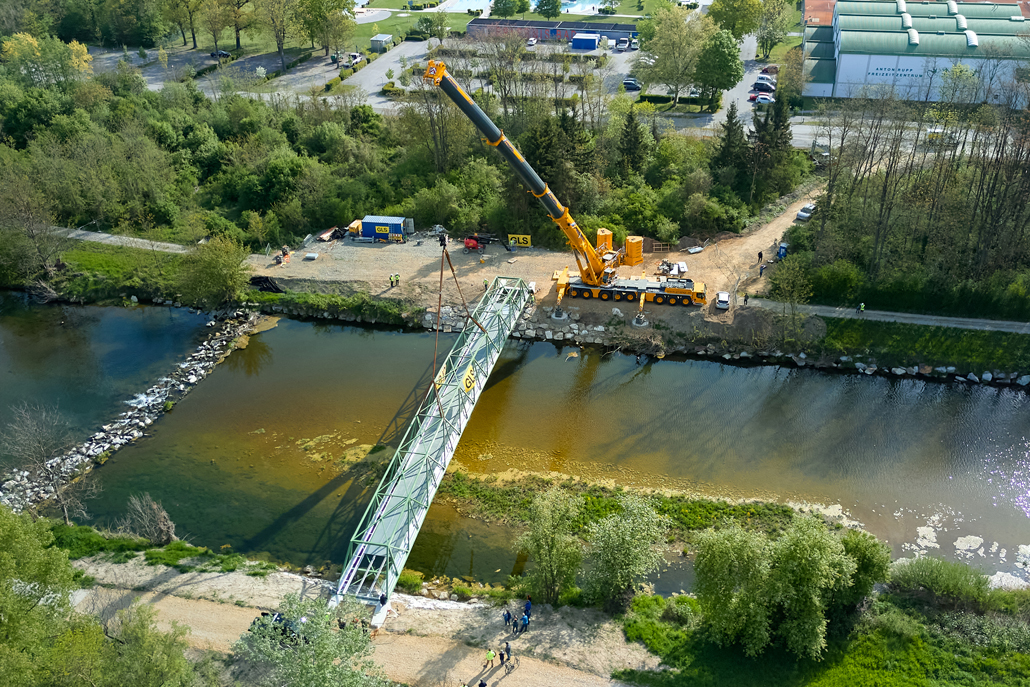
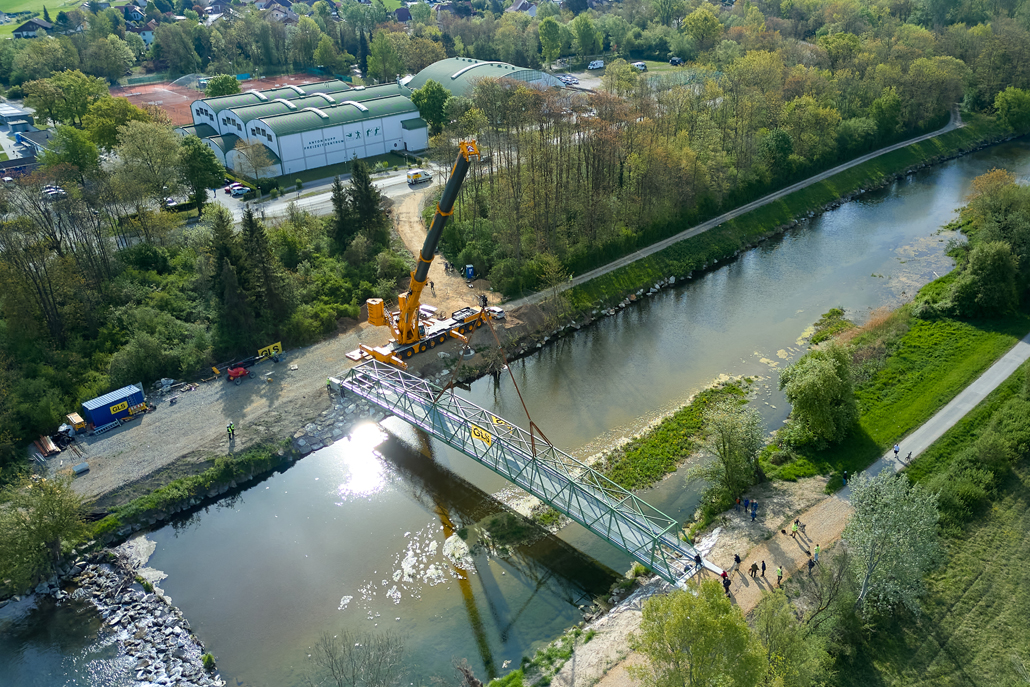
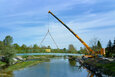
In order to lift the bridge in perfect balance, the heavy-duty slings had to be attached with great care. The crane operator then raised the load centimetre by centimetre, and only then could the final lift be given the green light. The bridge slowly rose into the air. By slewing the crane, the bridge, which had previously been positioned parallel to the Traisen, was turned through 90 degrees and then slowly lowered again over the prepared foundations and installed. It is now not only part of the Traisental cycle route, but also part of the local Way of St James.
Services
Industry

TWO OPERATIONS OF MANY
We are working daily on your projects. See two examples of our complete range of services.
ALL PROJECTS