Passenger ship

The challenge
Az útról a vízre
Hogyan lehet egy új utasszállító hajót a Hallstatti-tóba juttatni? Pontosan! A Prangl szállítási és darus szakembereit bízzák meg a feladattal. A kihívásokkal teli projektek terén szerzett több évtizedes tapasztalatnak köszönhetően hamar elkészült az adott esetre vonatkozó terv. Ez nem csupán a szállítást, hanem természetesen a legfontosabb lépést is magában foglalta: az emelést.
Our solution
Ideal location
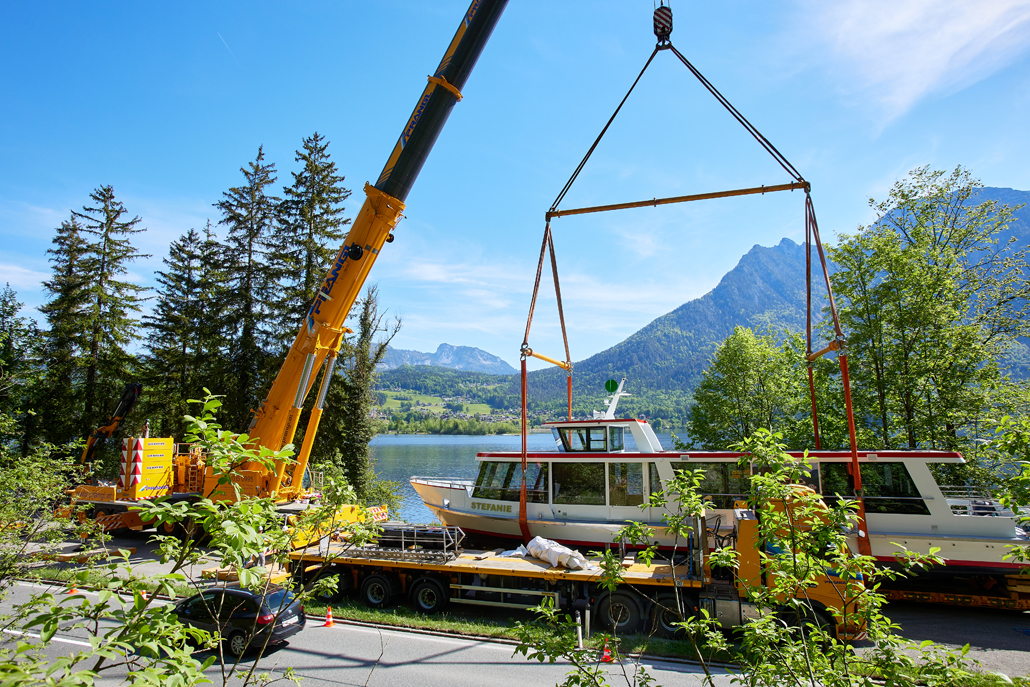
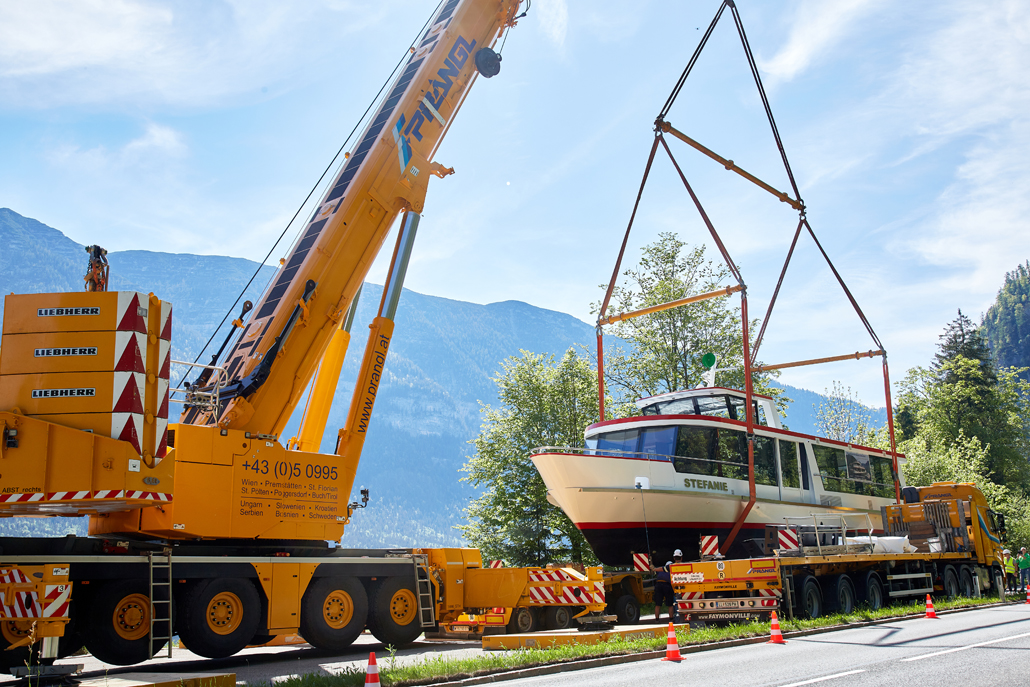
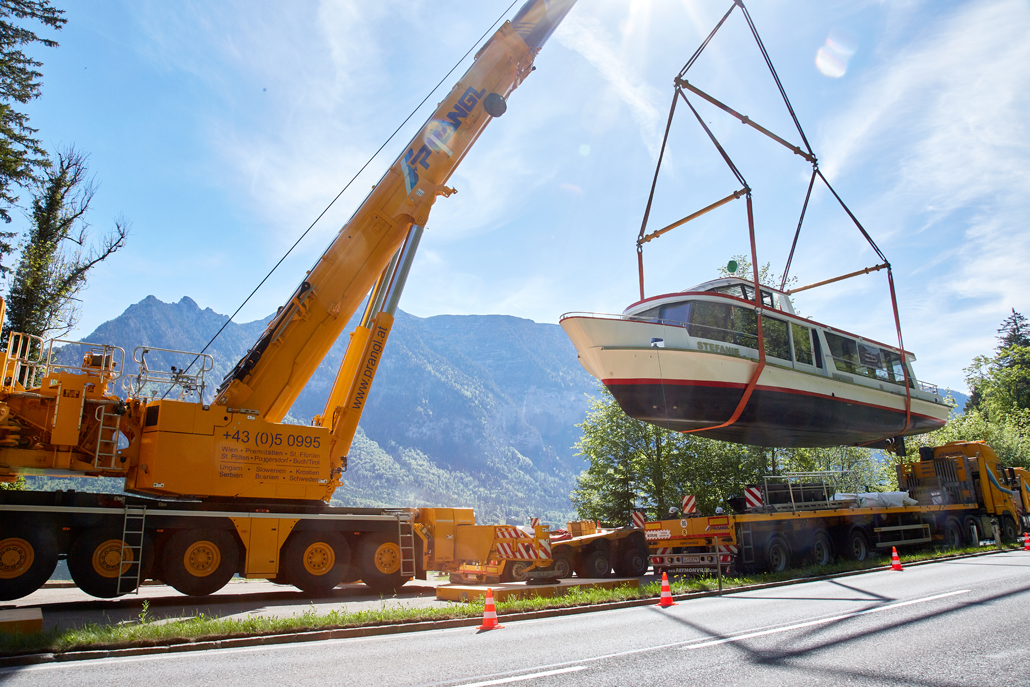
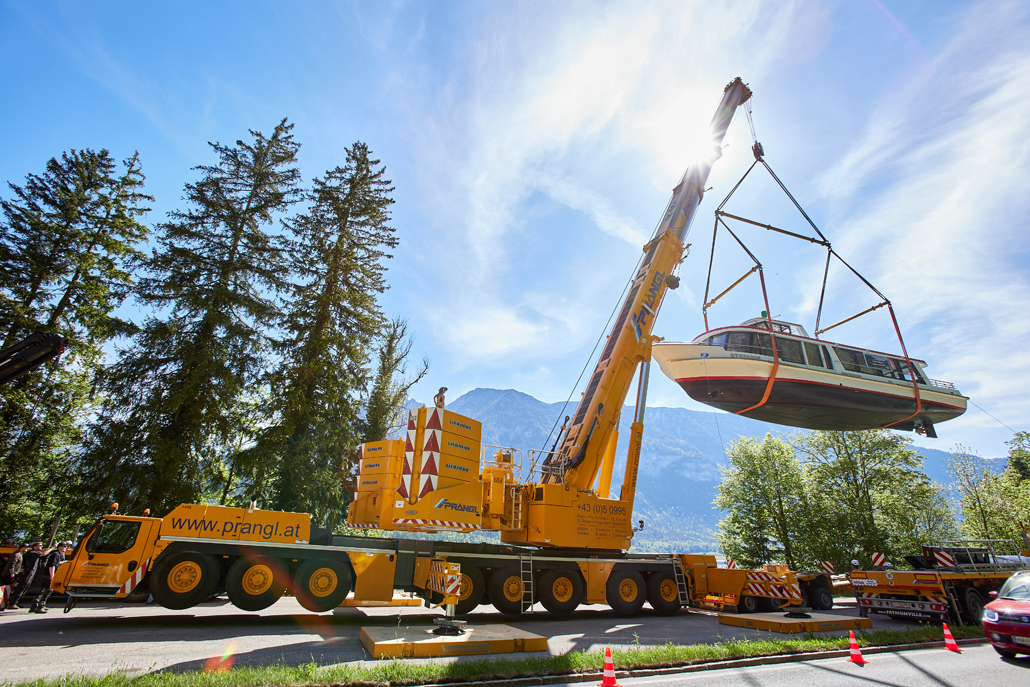
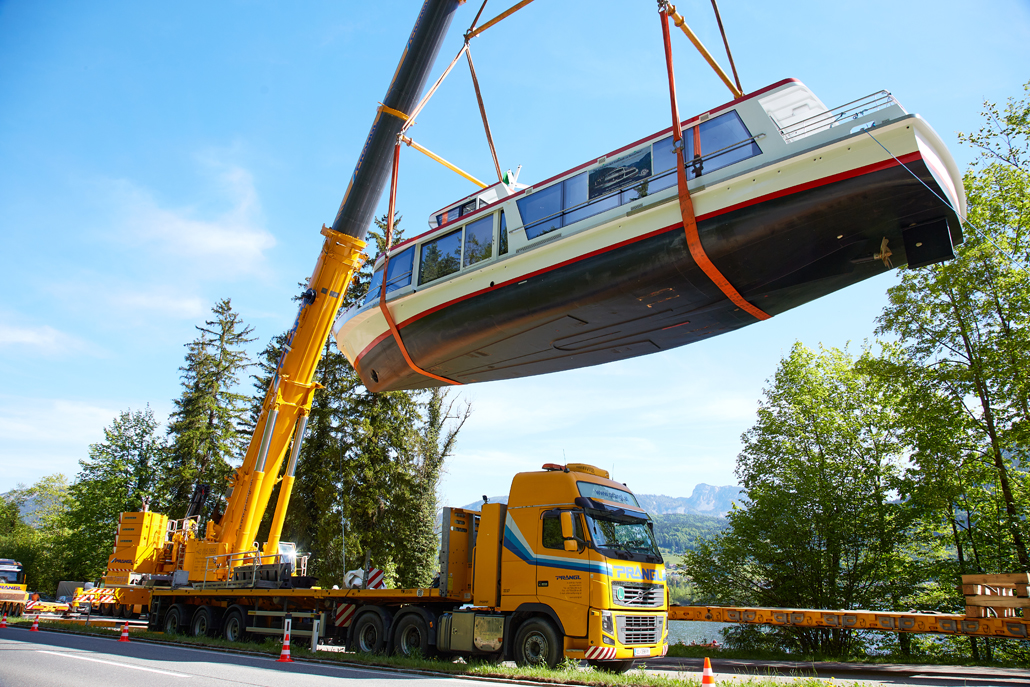
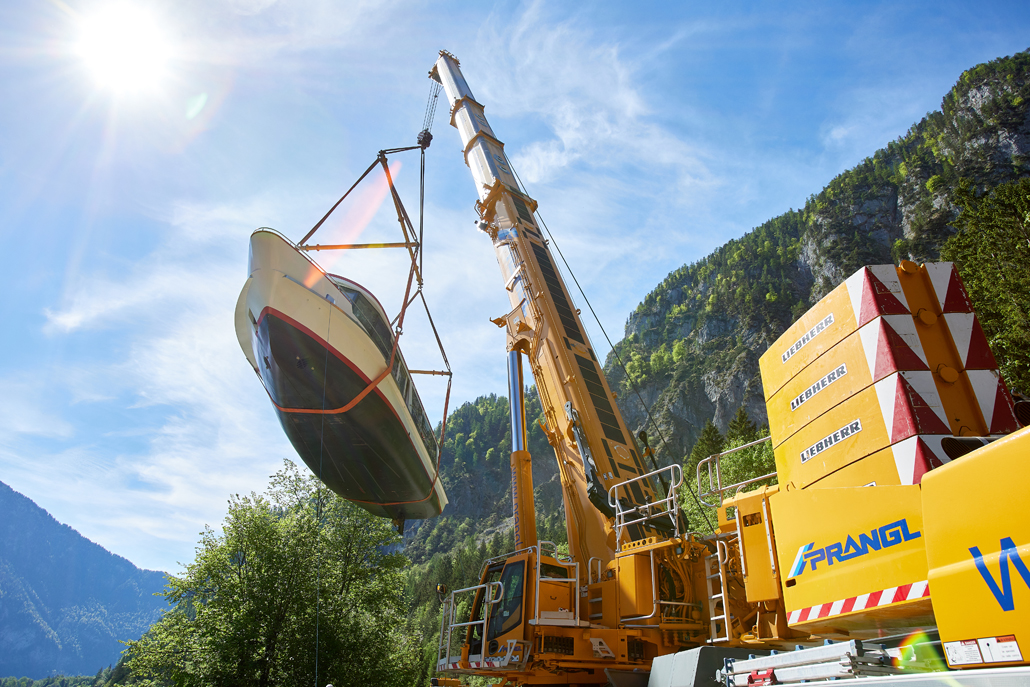
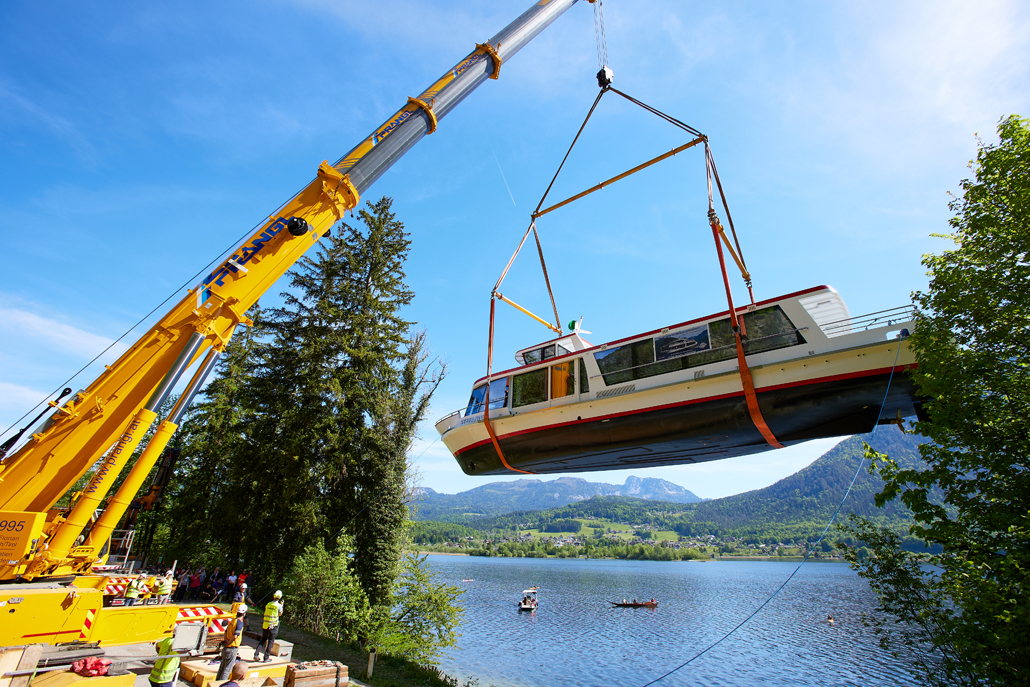
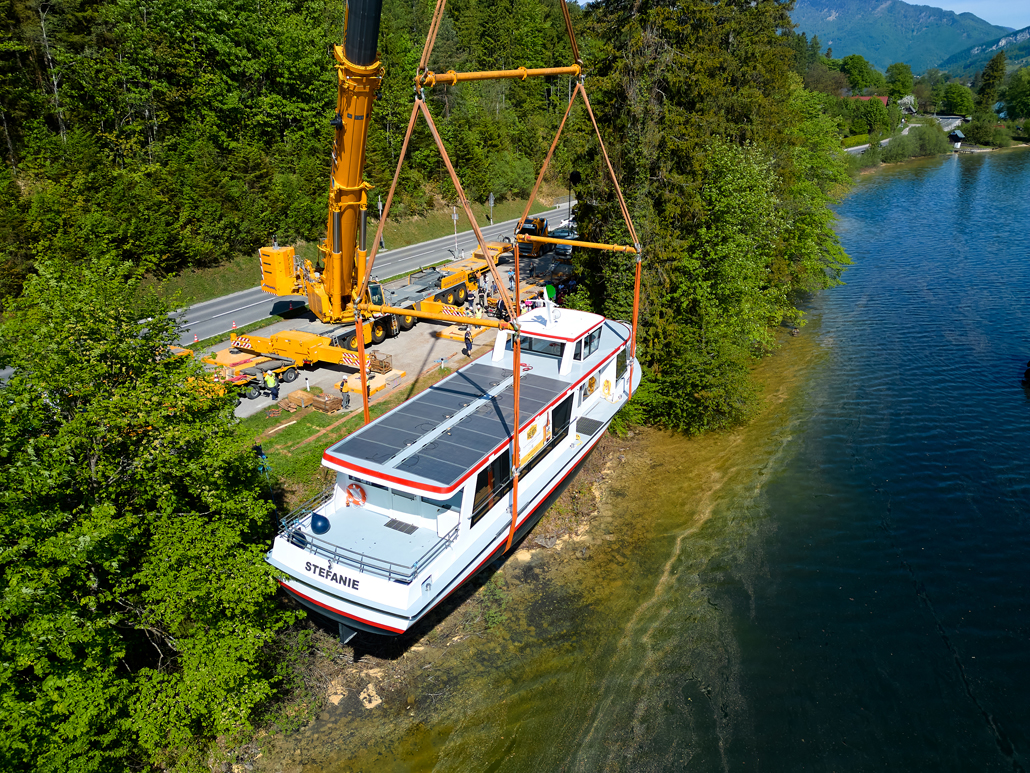
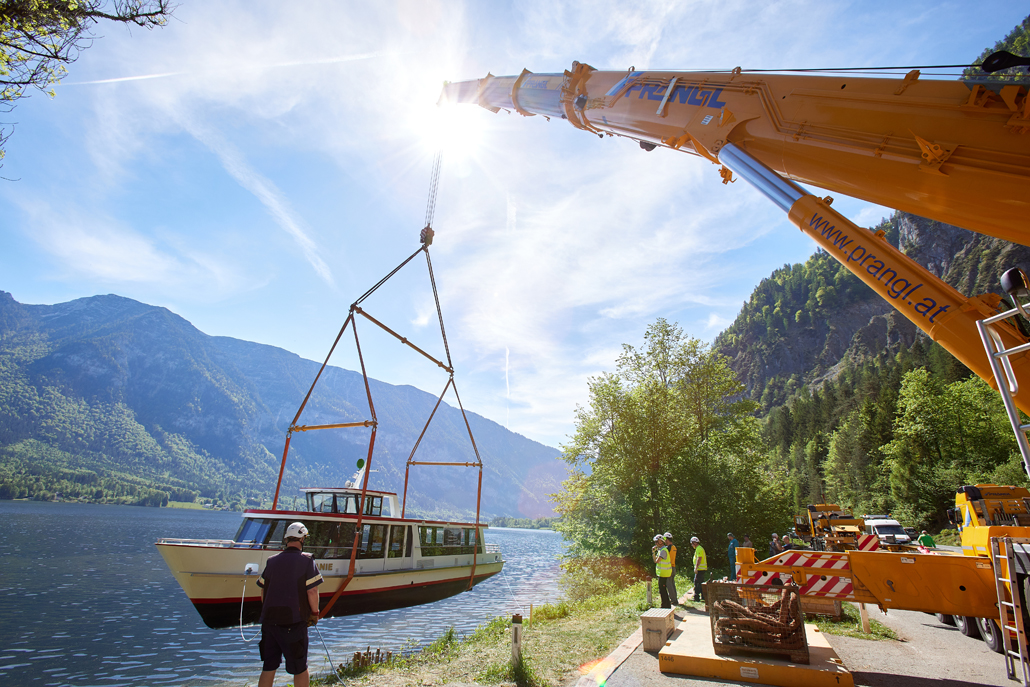
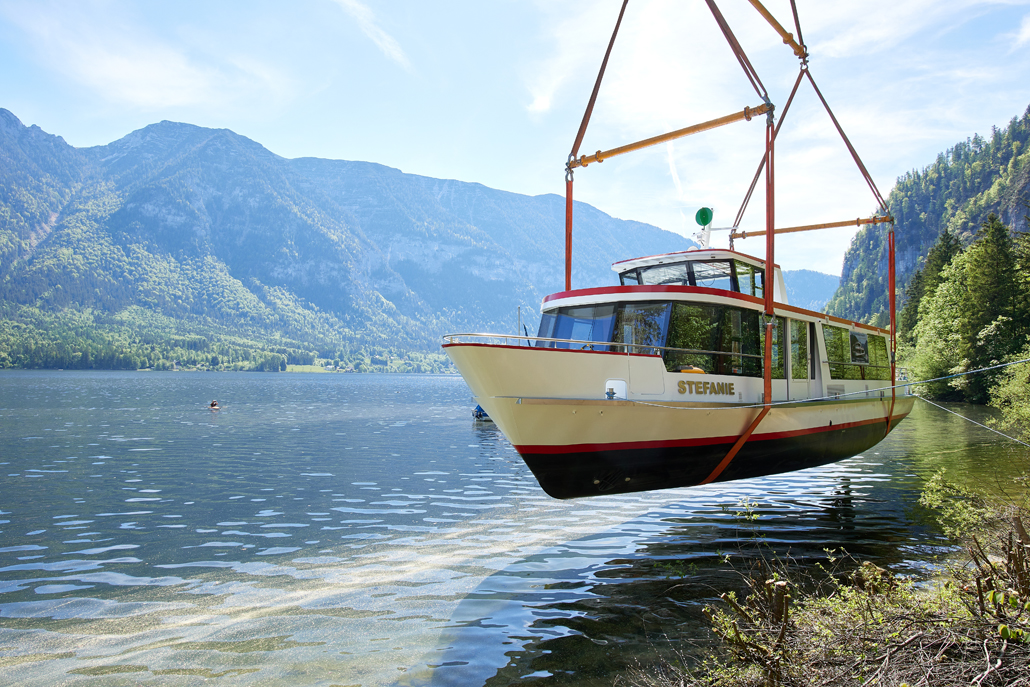
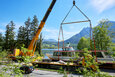
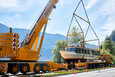
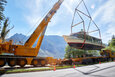
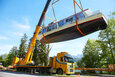
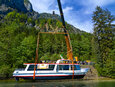
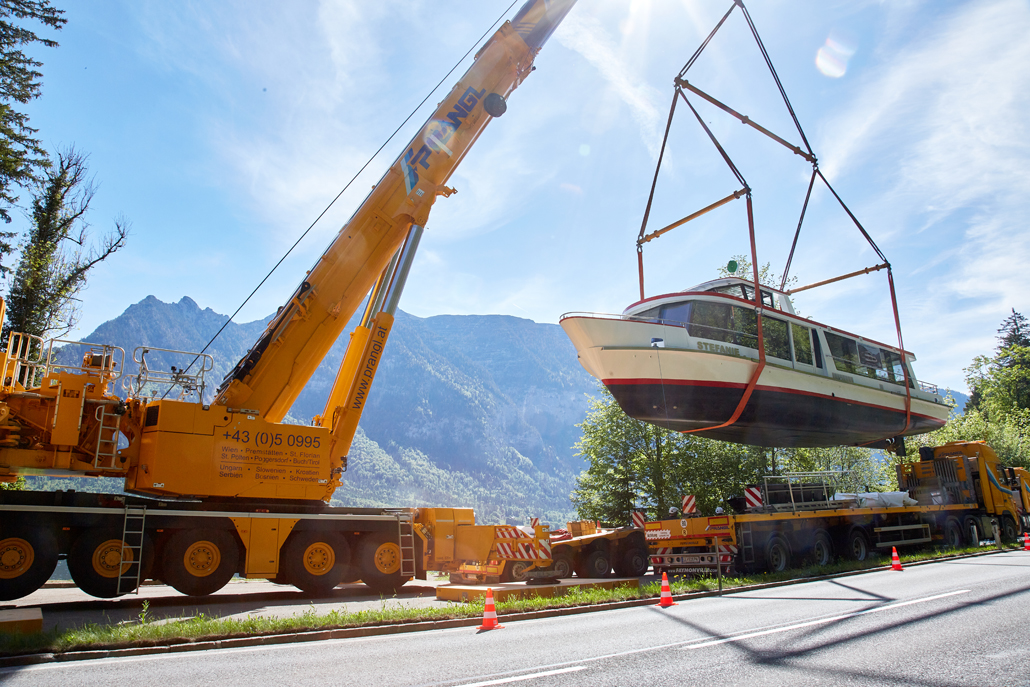
The new Hallstatt ferry “Stefanie III” is one of the most modern passenger ships in the country. It is powered by a diesel-electric system and has a photovoltaic system integrated into the roof. A modern heat pump ensures that passengers don’t have to freeze in winter. The vessel (25 metres long, 5.5 metres wide, 5.10 metres high) was built at the Linz shipyard and transported from there to Lake Hallstatt in a night-time operation using a Prangl tractor unit with a 2+4-axle low-bed semi-trailer. There, the project managers found an ideal location for the lifting operation.
700-tonne telescopic crane
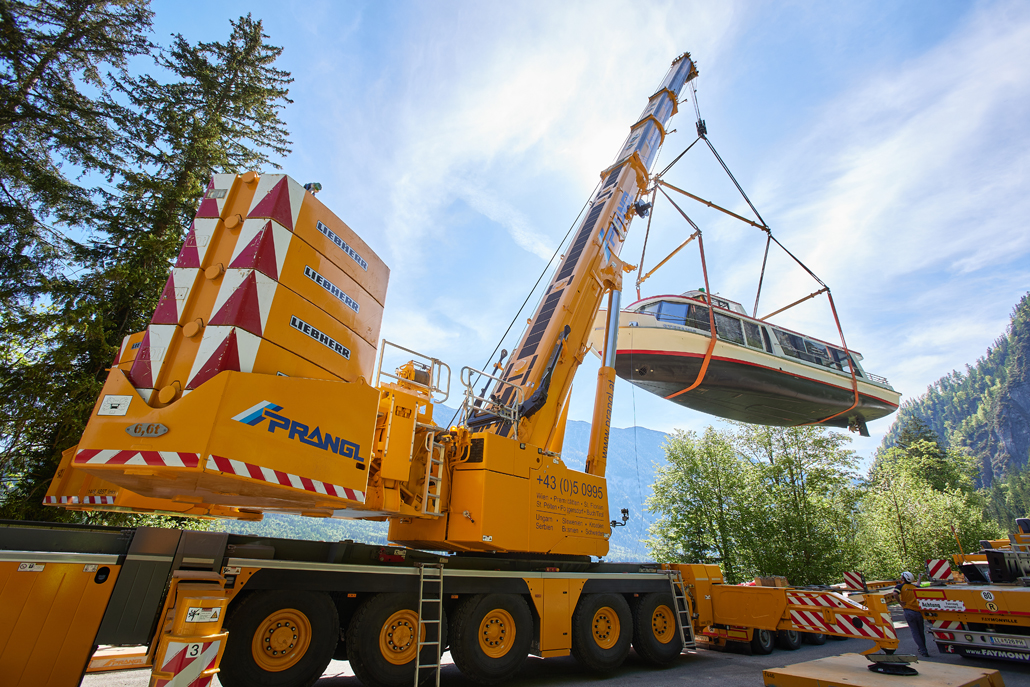
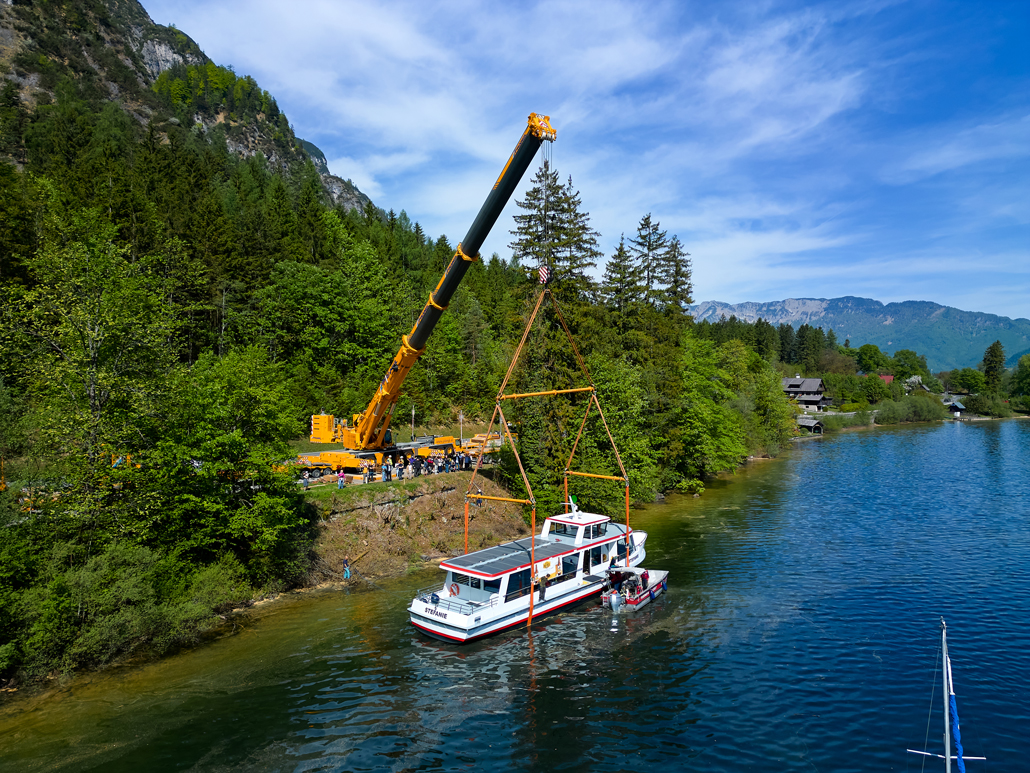
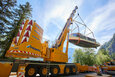
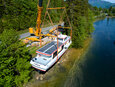
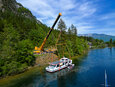
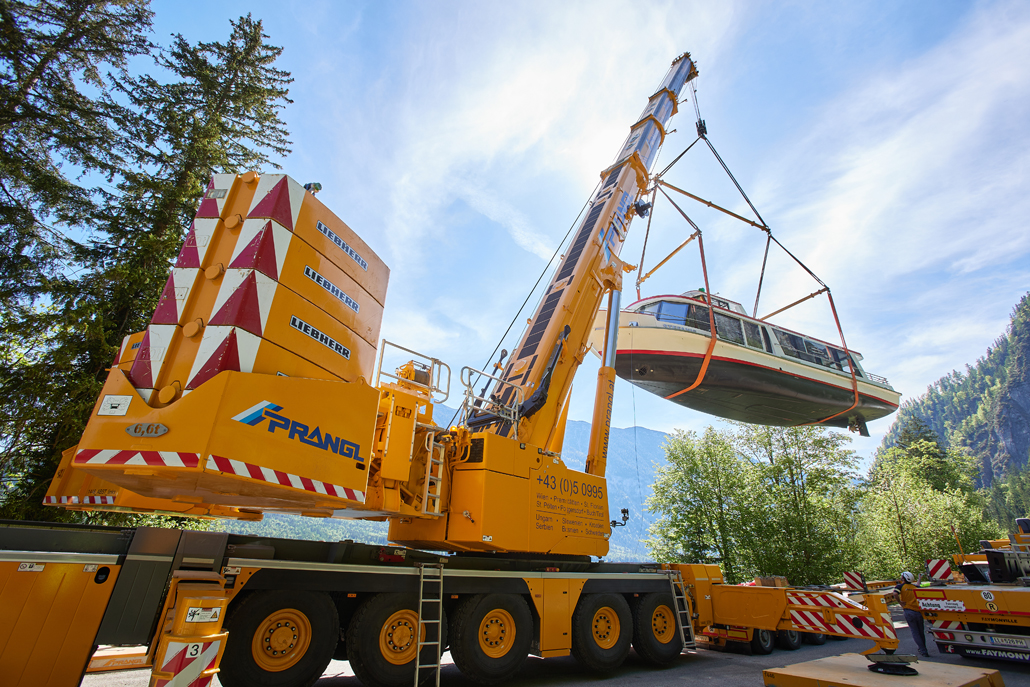
In the course of the preparations, Car Park 1 on the B 166 in Steeg near Bad Goisern proved to be the perfect spot. After all, plenty of space was needed for the 700-tonne telescopic crane, which was ideally suited to this task. As Lake Hallstatt is at a very low water level this year due to the winter’s lack of snow, a long reach was required. This mean that the large crane really came into its own thanks to its strength. The crane was moved into position and set up in the car park a day before the lift.
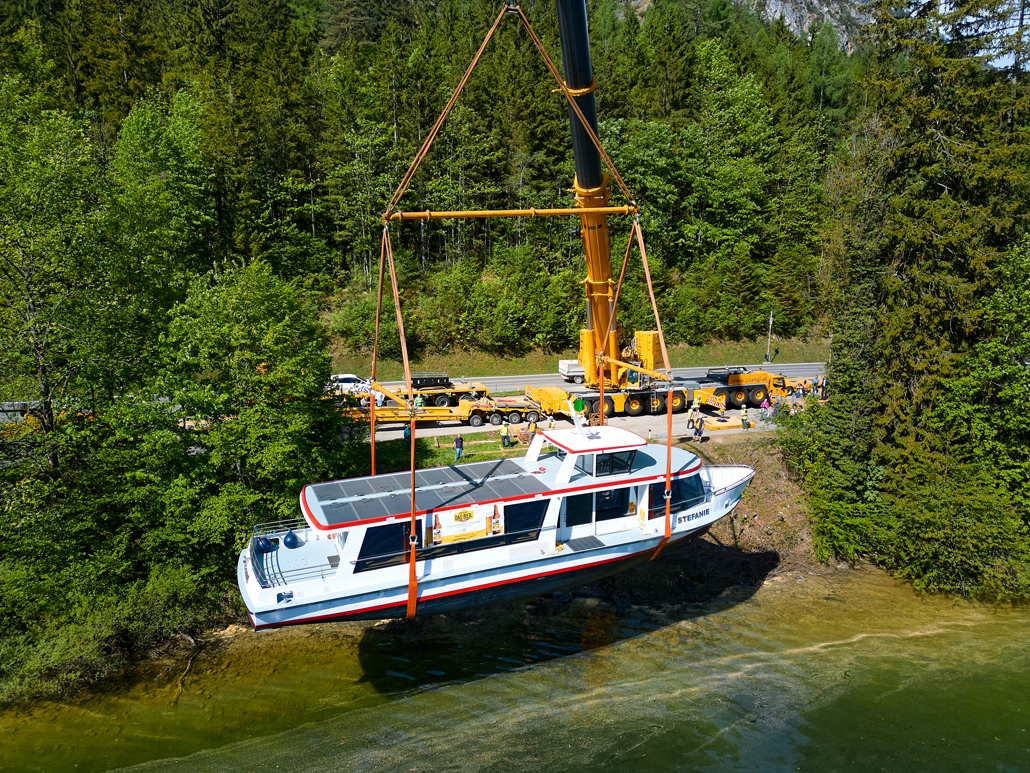
46-tonne lifting load
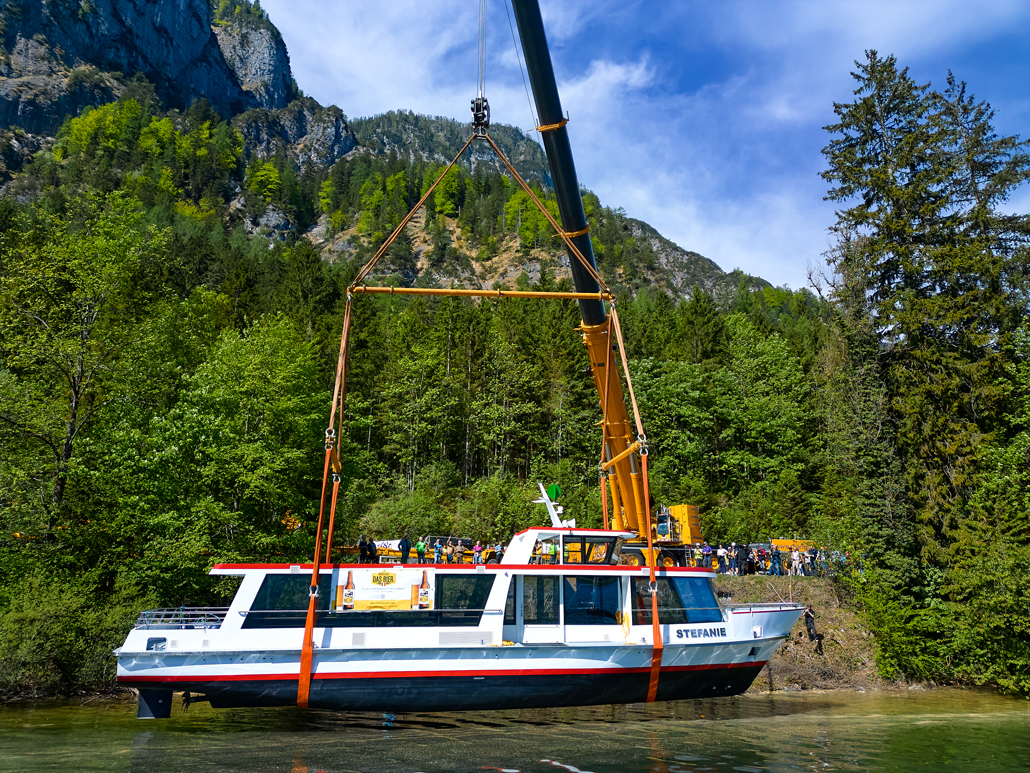
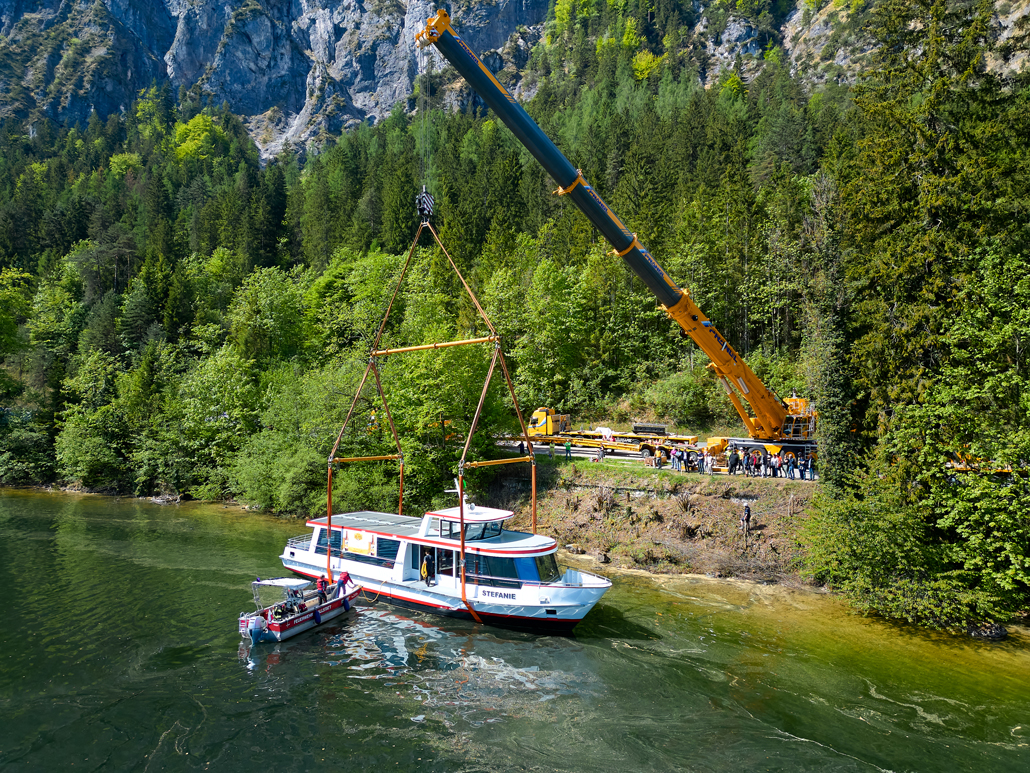
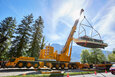
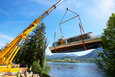
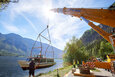
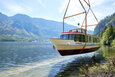
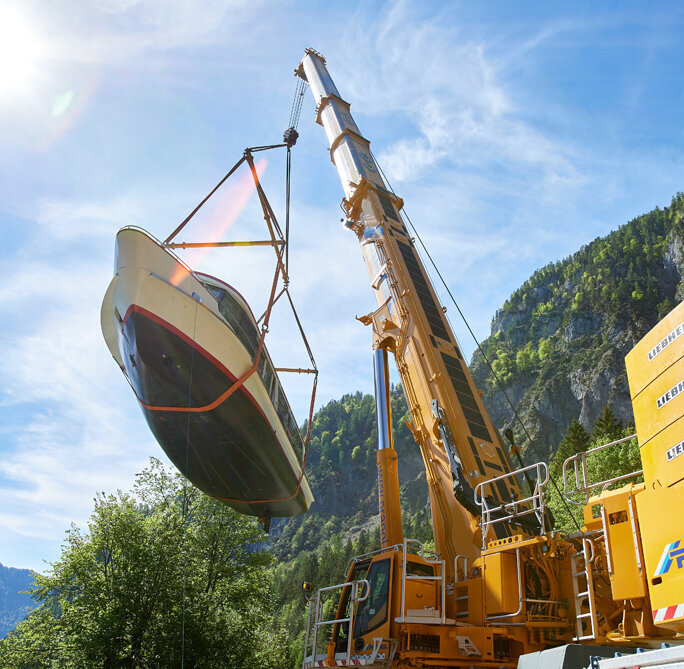
On the morning of the following day, the ship’s wheelhouse (which had to be dismantled and delivered by a separate transport) was first refitted onto the ship. Then came the big moment: The lifting slings were attached and the ship, with a total weight of 44 tonnes, was lifted from the low-loader with the utmost care. Slowly, the “Stefanie III” soared into the air and was swung towards the lake with a lifting load of 46 tonnes and a maximum lifting height of 25 metres. At the end of its “flight”, the crane initially lowered the precious cargo into the water to a depth of around 15 centimetres at a reach of 25 metres.
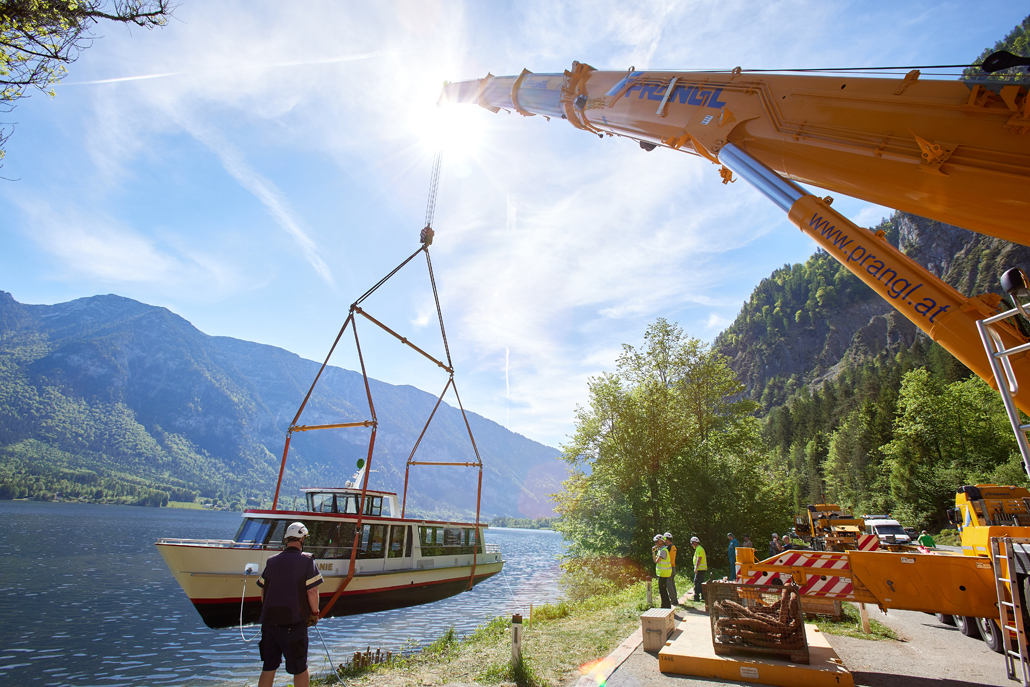
42 metre reach
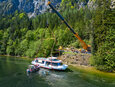
As the buoyancy of the water reduced the lifting weight, it was possible to continue hoisting the vessel further into deeper water with only about half its load on the hook. Finally, at a reach of 42 metres, it was released from the lifting slings and was immediately able to set off under its own power.
To get the new vessel safely into deep water without damage, the Prangl team had to proceed with the utmost precision and great care. Because everything went perfectly, the “Stefanie III” was able to set sail as planned on Whit Monday.

TWO OPERATIONS OF MANY
We are working daily on your projects. See two examples of our complete range of services.
ALL PROJECTS